
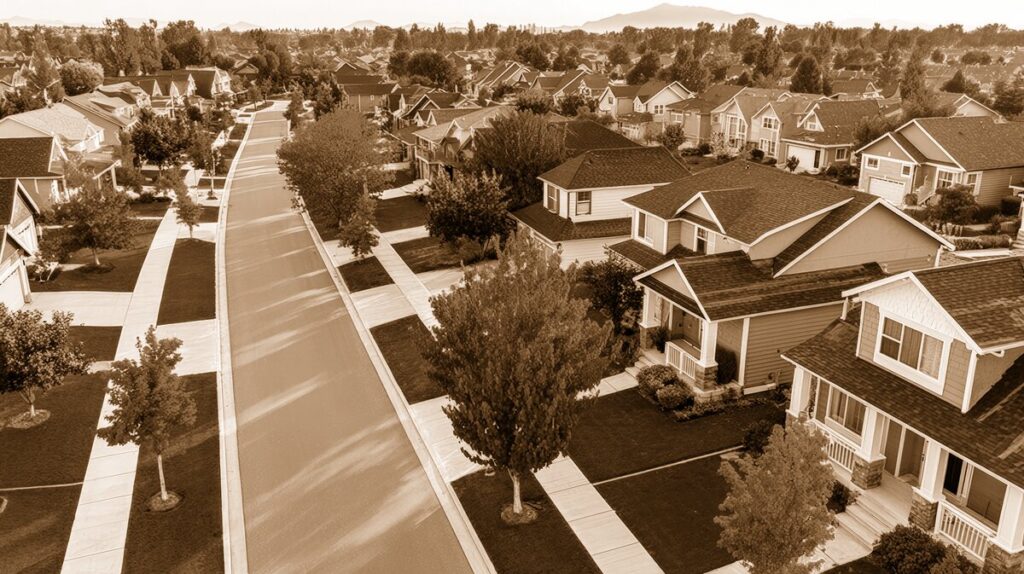
Nestled atop Duluth’s scenic hillside, Morley Heights is a quiet residential enclave with a history every bit as distinctive as its breathtaking views of Lake Superior. What began as a vision for modern living in the early 20th century has evolved into one of Duluth’s most beloved neighborhoods—a place that blends heritage, community spirit, and architectural charm.
Roots of Morley Heights
Perched above the busy thoroughfares of the city, Morley Heights traces its origins back to the era when Duluth was blooming as a powerhouse port and industrial town. The neighborhood emerged in the 1920s, at a time when Duluth’s population was booming and civic leaders began seeking new spaces for families to settle above the smoke and bustle of the working waterfront.
The name “Morley Heights” honors Albert W. Morley, a respected Duluth businessman and philanthropist with a vision for well-planned residential development. Morley’s dedication to quality and community set the tone for the neighborhood. His guiding principles—emphasizing careful planning, ample green spaces, and sturdy construction—live on today in the winding streets and inviting yards that define this hilltop haven.
A 20th-Century Model Neighborhood
When development began, Morley Heights was hailed as one of Duluth’s first “planned communities.” The planners positioned streets like Morley Parkway and Dodge Avenue to follow the natural curves of the land, maximizing both privacy and lake views. Early promotional materials extolled the area as a “modern suburb,” where city conveniences met peaceful, park-like surroundings. It was a new way of thinking about neighborhood design, and Morley Heights quickly became a favorite among Duluth’s young professionals and families.
- Morley Parkway remains the neighborhood’s main spine, renowned for its lush boulevard and the old stone lamp posts that harken back to the early days.
- Nine Mile Creek runs along the western edge, a remnant of the wild woods and streams that once covered this land.
- Throughout the subdivision, architects embraced a range of styles—Craftsman, Tudor, and Colonial Revivals all have a place alongside charming cottages—all reflecting the optimism of Duluth’s golden era.
Landmarks and Community Treasures
While Morley Heights is primarily residential, it boasts its own subtle landmarks that speak to decades of community pride.
- The Morley Heights Park—sometimes called “Hidden Park” by longtime locals—is a cozy green space tucked between homes. Children have played here for generations, while families picnic and neighbors gather for summer block parties.
- The original Morley Heights Community Building was erected in the 1930s, serving for decades as a hub for events, book clubs, and holiday festivities. Although the building itself has seen changes, its spirit lingers in the regular gatherings that keep neighbors connected.
- Congdon Elementary School, just a few blocks south, is not within Morley Heights proper but has long served as the local schoolhouse, welcoming generations of area children and their families.
- Just downhill, the scenic expanse of Congdon Park and the gurgling Tischer Creek welcome joggers, dog-walkers, and families looking for waterfall views and forested trails.
Evolution Through the Decades
The decades since Morley Heights’ founding have brought subtle yet significant changes. In the post-war era, the neighborhood welcomed new families, and many homes saw renovations and additions, reflecting postwar prosperity.
The 1970s and ’80s brought a conservation-minded spirit. Residents banded together to maintain the green medians and historic lamp posts, and to keep the area’s mature maples and oaks thriving. Morley Heights became known for its well-kept gardens and its annual garden tour, showcasing everything from tidy vegetable rows to backyard pollinator havens.
Notably, the neighborhood has always maintained a balance between progress and preservation. Even as Duluth’s economy shifted from heavy industry to education, medicine, and tourism, Morley Heights held onto its traditions of community involvement and stewardship. City ordinances and neighborhood associations have worked together to ensure that new construction respects the original character of the community.
A Neighborhood With a View—and a Future
Today, Morley Heights feels like a peaceful retreat without sacrificing convenience. Superior Street and Woodland Avenue are just moments away by car or bike, meaning that everything from downtown’s restaurants to the hiking trails of Hartley Nature Center is easily accessible.
What truly sets Morley Heights apart, though, is the neighborly atmosphere. With its walkable streets, informal social gatherings, and annual events like block parties and holiday lights shows, this is a community where people know each other’s names. The blend of old and new—historic homes beside thoughtful remodels, lifelong locals alongside fresh arrivals—gives Morley Heights its unique character.
If you take a stroll down Morley Parkway on a clear evening, you might see the sun setting over Lake Superior, golden light filtering through hundred-year-old trees. You’ll pass gardens lovingly tended, porches where friends gather in summer, and see children riding bikes as their grandparents once did. Every brick, yard, and winding lane tells a story of Duluth’s heritage and the people who shaped it.
Final Thoughts
Morley Heights stands as proof that neighborhoods can honor the past while embracing the present. Shaped by visionaries like Albert Morley, preserved by generations of caring residents, and cherished for its tranquility and civic spirit, this neighborhood remains one of Duluth’s best-kept secrets. Whether you’re new in town or tracing family roots back through the decades, a walk through Morley Heights reveals why so many have chosen to call it home.